Exploring Seychelles’ Outer Islands – Some of Earth’s Last Truly Wild Places
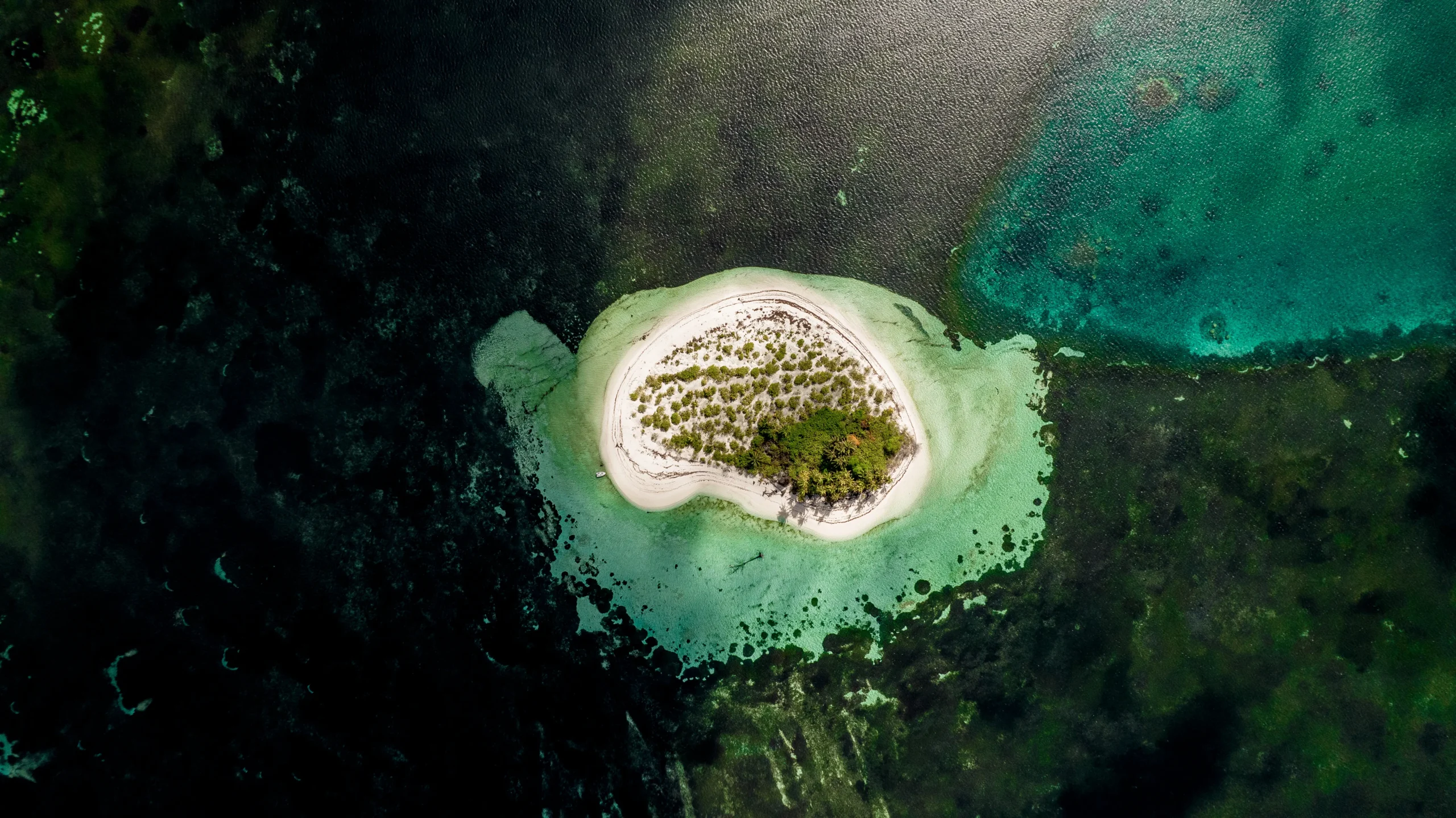
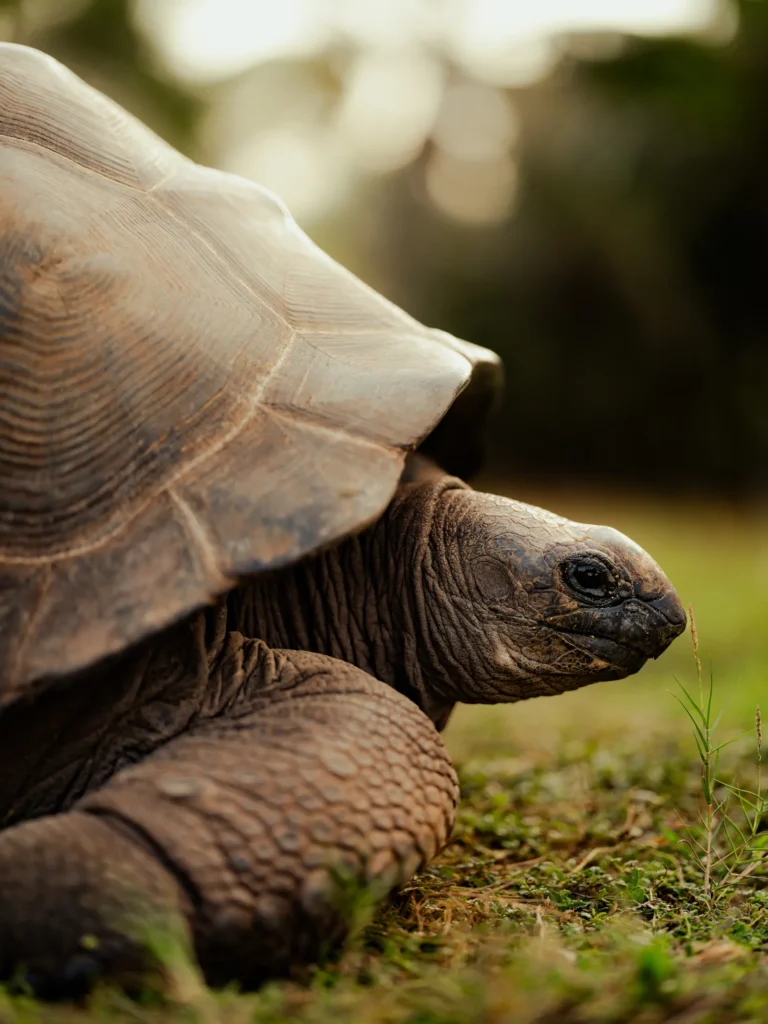
In an abandoned copra plantation on Astove, a tiny atoll in Seychelles, I find giant tortoises. Beneath the palm trees they look like the helmets of a hiding army platoon. The land, the domain too of hermit crabs and fallen coconuts, is littered with shells. It encircles eight square miles of lagoon, forming a thin border between sky and ocean. Migratory birds make it their landing strip; green turtles use it as a nesting ground, plowing tracks through sand as powdery as snow. Though Astove’s sand flats are as smooth as mother-of-pearl, its reefs are treacherous. Sharp blades of fossilized coral, or champignon, can shred feet and destroy vessels. A ghost yacht, the Shangri-La, lies beached on the atoll’s northwestern shore; no one knows its past. Astove is also surrounded by the tempestuous waters of the western Indian Ocean—the former Sea of Zanj, feared by medieval Arab explorers—that, whipped up by the trade winds, roll and roar in the summer. Windswept isolation, inhospitality to humans, and piracy have historically kept this place one of the planet’s truly wild and naturally protected places. That’s the reason I’m here.
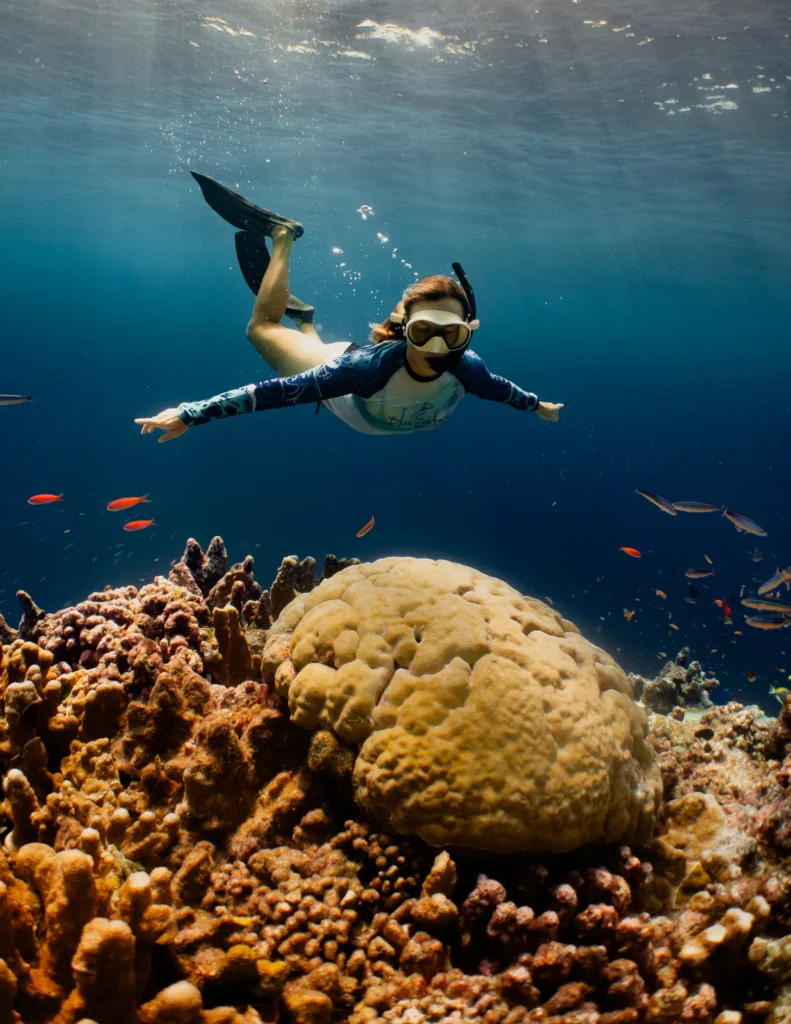
Beneath the water’s mercury surface, I snorkel through Astove’s oyster-shaped reef and find tiny fish twitching electrically like particles in a grainy film as well as giant specimens gliding en masse through bars of light. Battalions of bluestripe snapper and humphead wrasse—just two of the thousand species that swim here—jump in unison with the current before a vertical coral garden. The reef wall has a drop of 3,000 feet; with half a mile of blackness beneath me, I might appear to be floating in space. When I come up for air, the lava lamp glow of sunset makes me feel that I am indeed drifting on some fringe of the earth.
ADVERTISEMENT
Scattered across the lapis lazuli expanse of the Indian Ocean, Seychelles is a collection of 115 islands and atolls off the coast of East Africa, one of the world’s most remote and least populated nations. Of about 120,000 Seychellois, 98 percent inhabit the 43 Inner Islands, which constitute about 175 square miles of land surrounded by roughly 529,000 of ocean territory. The remaining 2 percent live on the other 72 coral atolls and sand cays, divided into five geographical groups, that make up the Outer Islands (Zil Elwannyen Sesel, in the archipelago’s local creole), of which Astove is one of the farthest south. At 647 miles and two plane rides away from Mahé, the largest of the Inner Islands and of Seychelles as a whole, Astove is closer to Madagascar than to its own capital of Victoria.
To keep tourism in check on the Outer Islands, Seychelles currently employs a “one island, one resort” policy (though the country is considering two hotels on the island of Coëtivy). Environmental and wildlife conservation has become integral to Seychellois culture. In 1994 the Seychelles government banned turtle hunting; just over 30 years later, Aldabra is now home to one of the largest green turtle breeding populations in the western Indian Ocean. “Eating turtle curry was once part of our culture,” says Gilly Mein, a taxi driver who takes me to the airport in Mahé. “Nowadays it would be sacrilege.”
In 2018 Seychelles became the world’s first country to launch a Blue Bond, raising $15 million from global investors to write off part of its national debt in exchange for a commitment to protect 30 percent of its waters—162,000 square miles of it. The Outer Islands fall within this protection zone and now bloom with rare-species comeback stories. The Aldabra Group, which includes Astove, hosts some of the planet’s largest seabird colonies. The Aldabra atoll itself is now a UNESCO site and home to more than 150,000 giant tortoises.
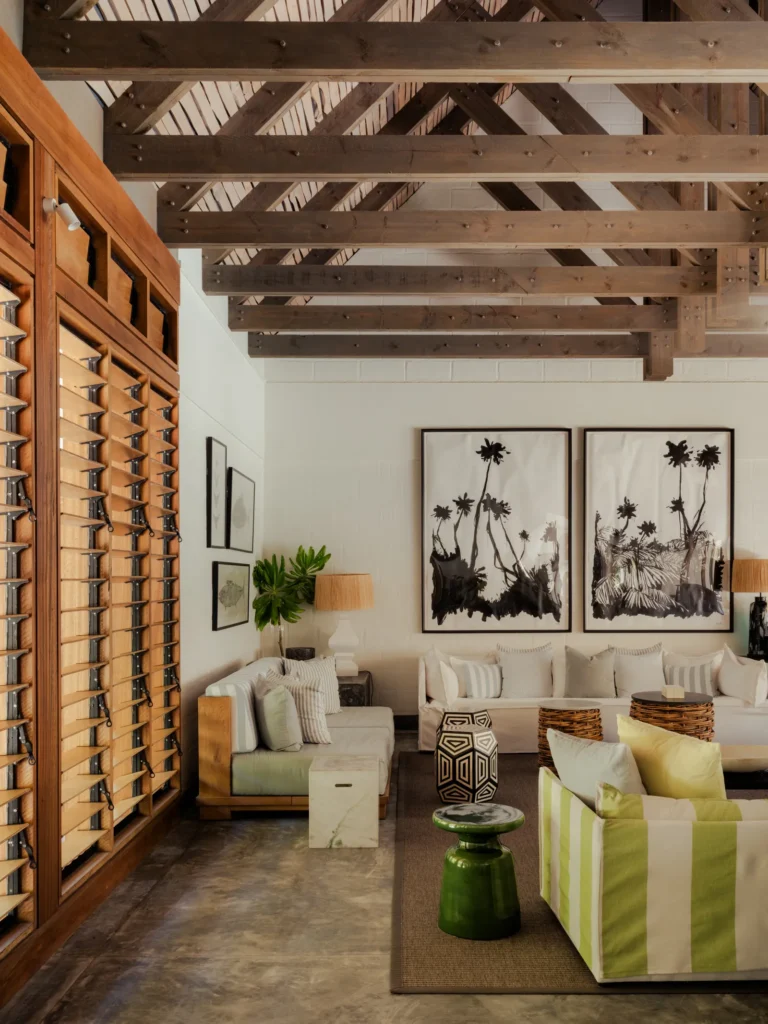
“The Seychelles are the Indian Ocean’s Galápagos,” says my guide Elle Brighton, the ecology and sustainability manager of Blue Safari, a low-impact ocean-adventure company. It was founded in 2012 by the South African–born Seychellois citizen Murray Collins, who owns camps on mainland Africa, and the fly fisherman and Yeti brand ambassador Keith Rose-Innes. In 2012, Blue Safari took over Alphonse Island Lodge, the lone accommodation on the tiny ray-shaped island of less than a square mile, and turned it into a 29-key eco-resort.
Flying 250 miles southwest from Mahé on a 16-seater Beechcraft jet, I see on our descent swathes of emerald green cascading through otherwise sapphire waters. They’re colonies of seagrass, an oceanic plant and a carbon sink 35 times more effective than a rainforest. Alphonse Island Lodge is the base from which I dive, snorkel, and immerse myself in the marine wilderness of the Indian Ocean.
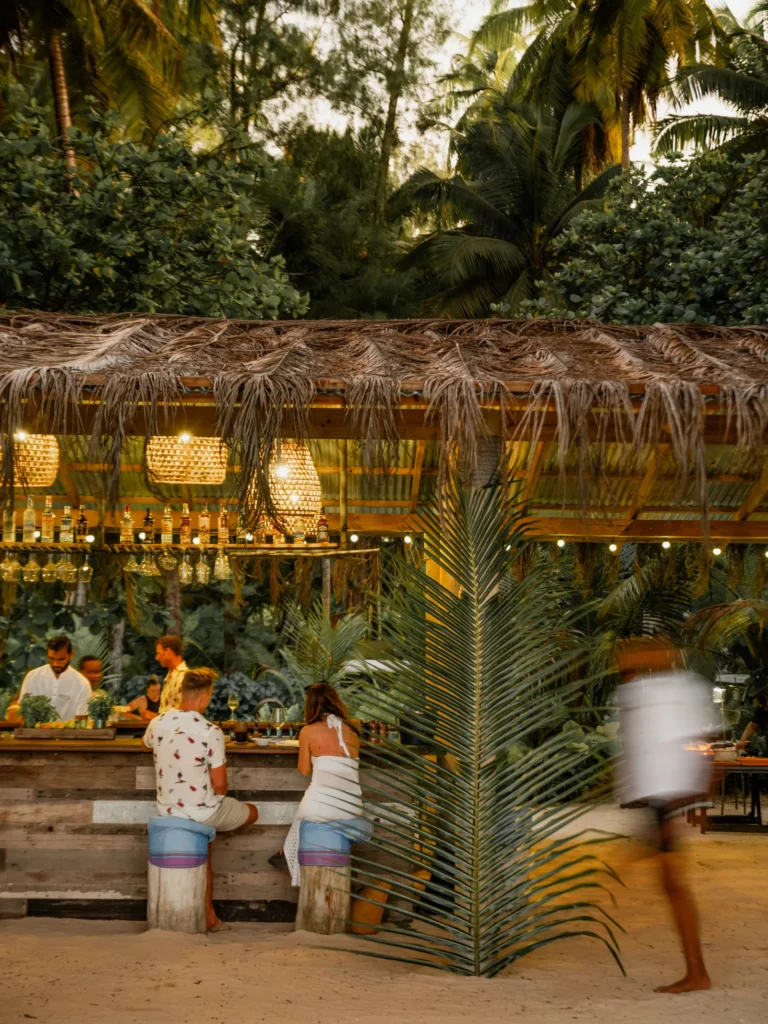
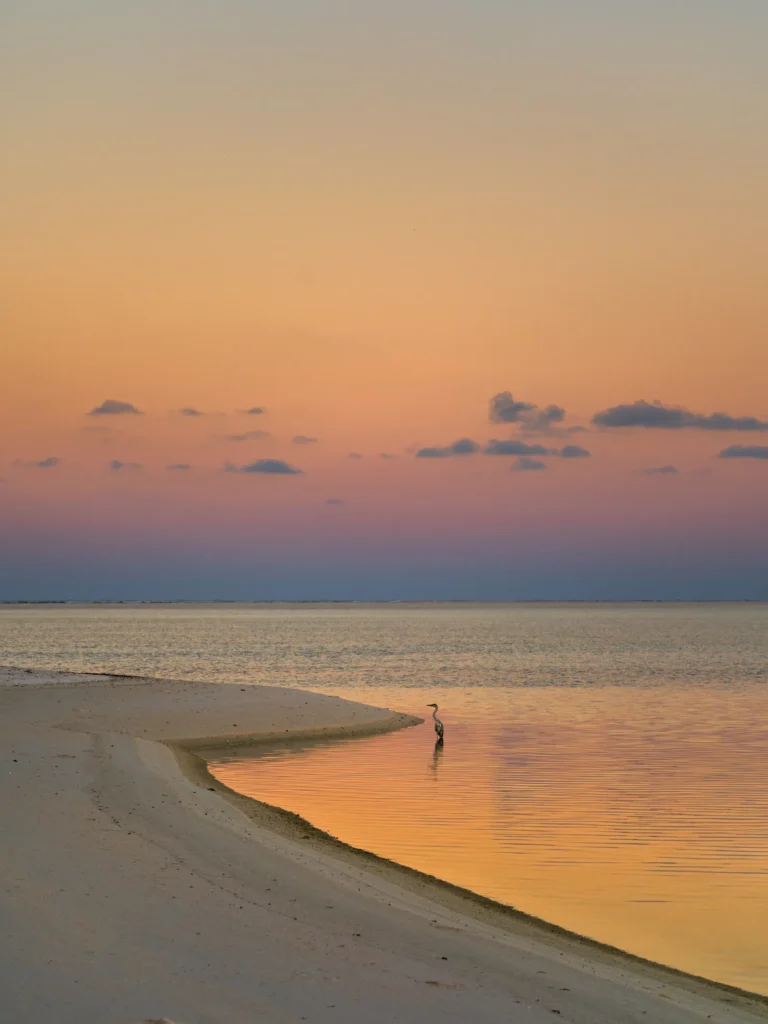
But the resort also demonstrates what low-impact stays can look like in Seychelles. Mostly solar-powered, it runs desalination and sewage treatment plants as well as rainwater harvesting and recycling programs. On the lodge’s roughly 430,000-square-foot farm, I spot, within the beds of tomatoes, butternut squash, and brassica, a heron opening its wings like a cemetery angel. Lady finger bananas grow in pretty, mechanical spirals near hives of Seychellois bees and piles of compost that smell of parsnips and provide over half a ton of fertilizer every week. The farm produces four tons of crops a month, supplying up to 90 percent of plant-based food in all of Blue Safari’s accommodations across the Outer Islands: a guesthouse on Astove, an eco-camp on Cosmoledo atoll, and this lodge on Alphonse.
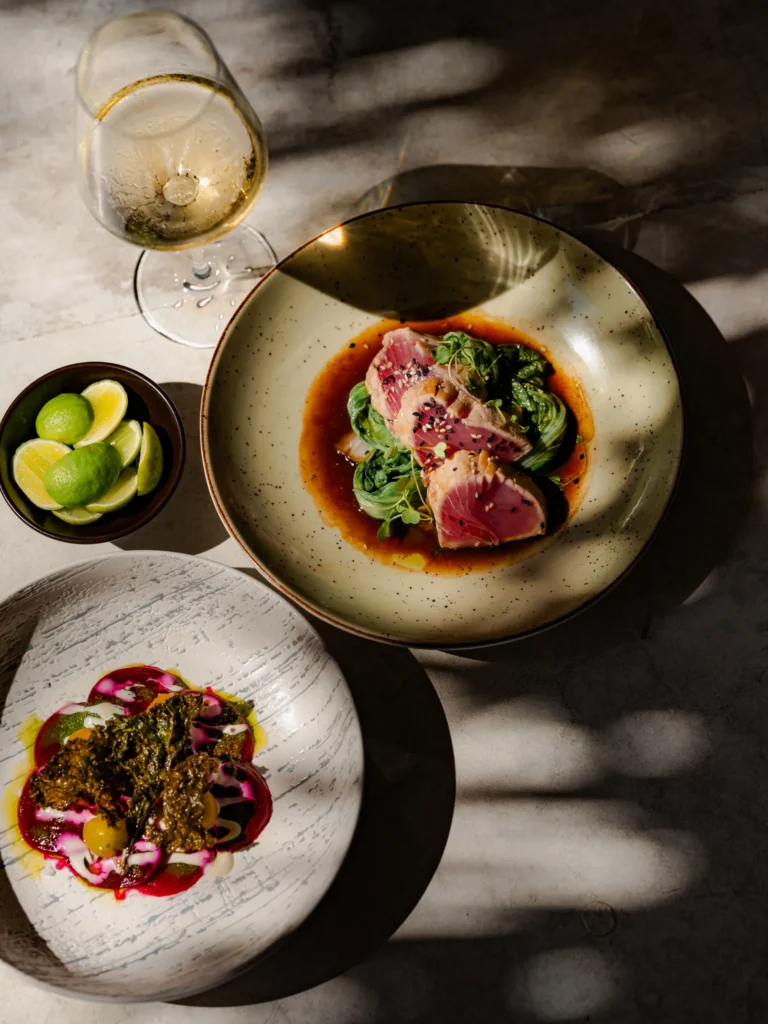
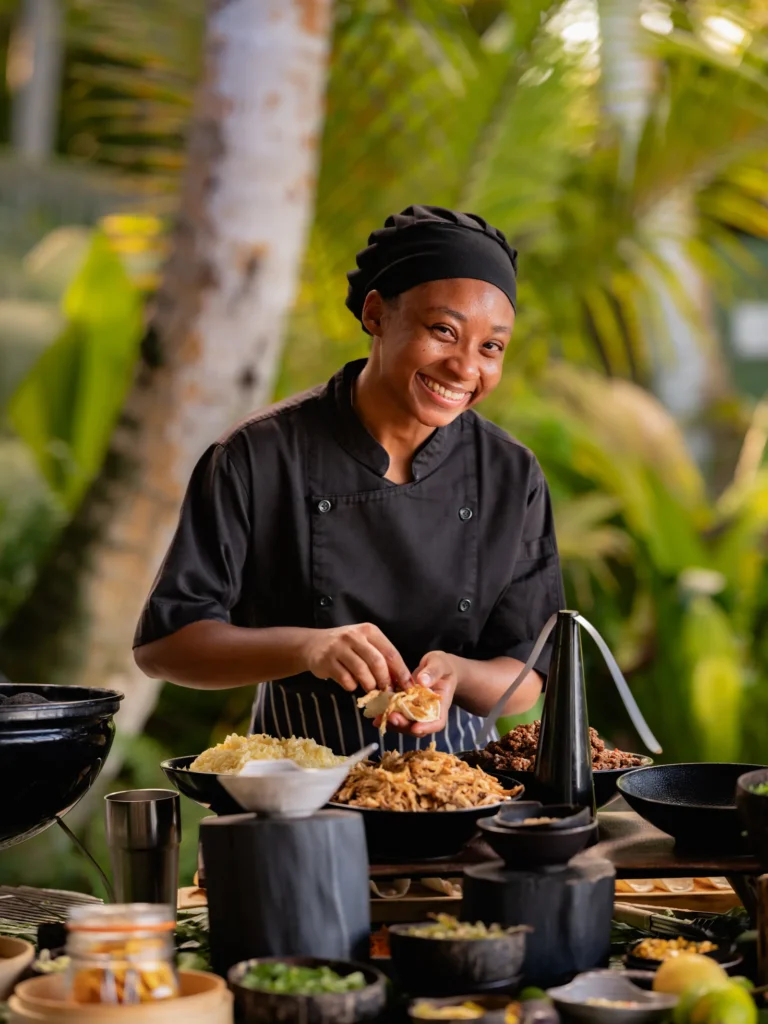
Blue Safari sources fish only from the open ocean, never the reef. In fact, the company supports the operations of the Alphonse Foundation, an NGO that facilitates Blue Safari’s conservation strategy and funds the presence of Seychelles’s Island Conservation Society on Alphonse. It surveys the atoll’s reef as well as the migratory-bird and fish populations. Last year the foundation tagged about 20 manta rays and 32 sharks—lemon, gray, reef, silvertip, and bull species among them, none a significant threat to humans. My diving instructor Andrew Irwin tells me to keep an eye out for them: “In Indonesia you’re not guaranteed to see a big shark. Here you might see one at any moment.”
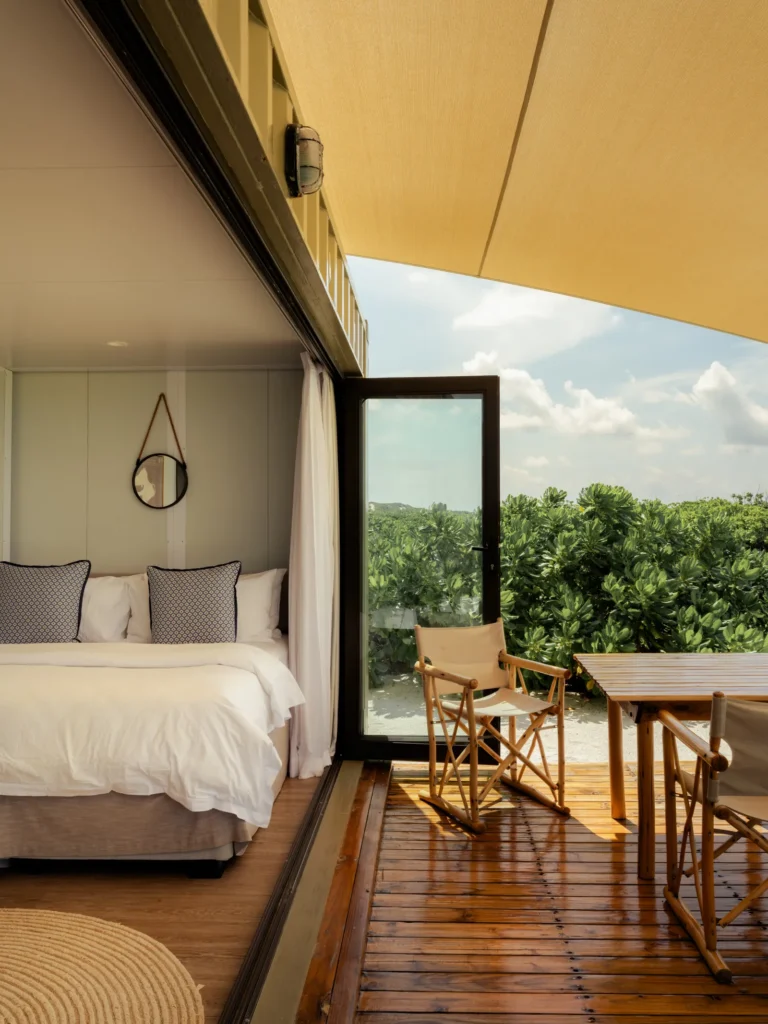
We find them off the shores of nearby Cosmoledo, another of the Outer Islands, a thin two-square-mile peel of sand that rings a lagoon 28 times its size. Diving in its waters, we glide past sleek lemon shark pups with gooseberry-colored eyes and float through fish storms of juvenile blacktail snappers and giant batfish. Two hawksbill turtles with shells like beautiful handmade ceramic plop into the shallows and speed off, leaving a watery wake behind them. In another section of the lagoon, where the surface looks like a spill of glitter, we swim over velvety coral and see a world of sulking groupers: Goliaths over four feet long; potato ones with giraffe-like patterns; saddlebacks as neon as glow sticks; gaudy African marbled groupers. Their size and abundance is staggering. With Blue Safari, an overnight stay on this Eden is possible: The company sets up eight temporary eco-pod rooms, elegantly converted shipping containers, and research-style camp tents, all designed to be disassembled with little trace. Being here is to deeply commune with nature. One morning I wake to find my sandals stolen by a coconut crab, the only possible culprit.
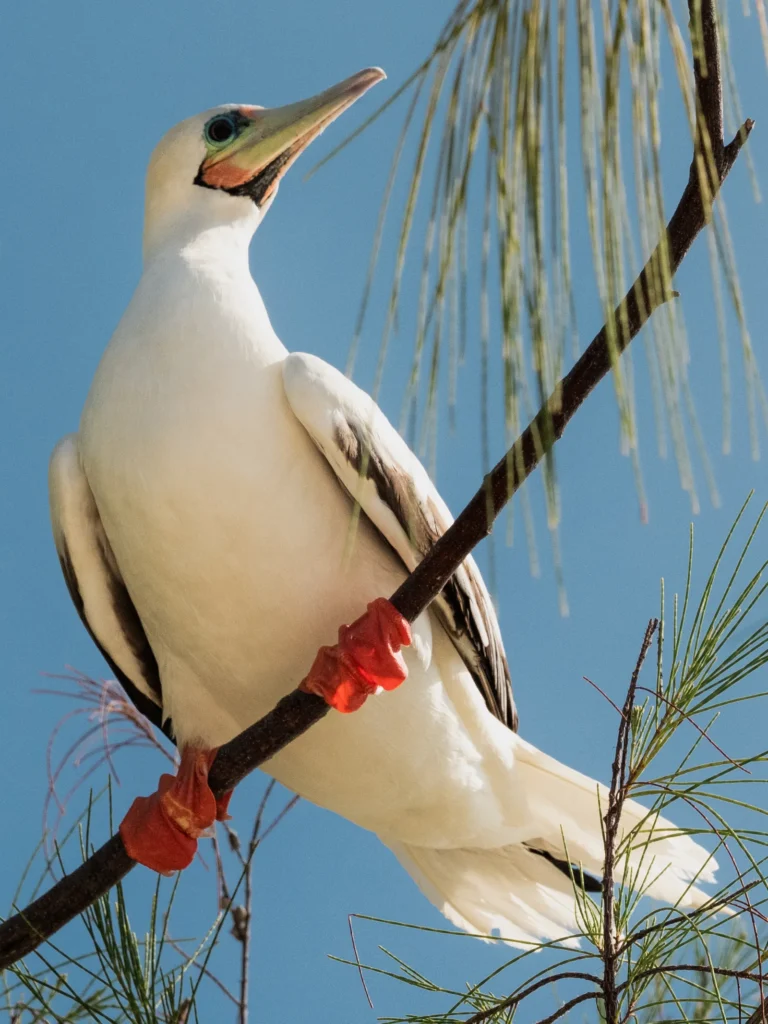
We hop to a pair of Cosmoledo’s 20-odd named islets, South West Island and Grand Polyte, where a rat-eradication program has resulted in an explosion of seabirds. Cosmoledo has the largest breeding colonies in Seychelles of three species of booby—red-footed, masked, and brown—as well as of lesser noddies, frigate birds, and sooty terns. Red-footed boobies sit in the trees like thousands of magnolia blooms. Their heads cock in unison, contemplating us with guiro-like rattles. Only when flustered do they emit a zoo of sounds as if herds of zebras and elephants are hiding out in a single tree. “It doesn’t get much wilder than this,” says Brighton as we dodge the wings of masked boobies that come into land at the speed of Frisbees. Soon Cosmoledo will have a permanent conservation team, but for now the presence of guides helps police the atoll from piracy and poaching. As we explore, we find a piece of space debris dropped from a satellite. Were it not for such flotsam washing up on Seychelles’s beaches, it would be easy to believe that humanity had never touched these shores.
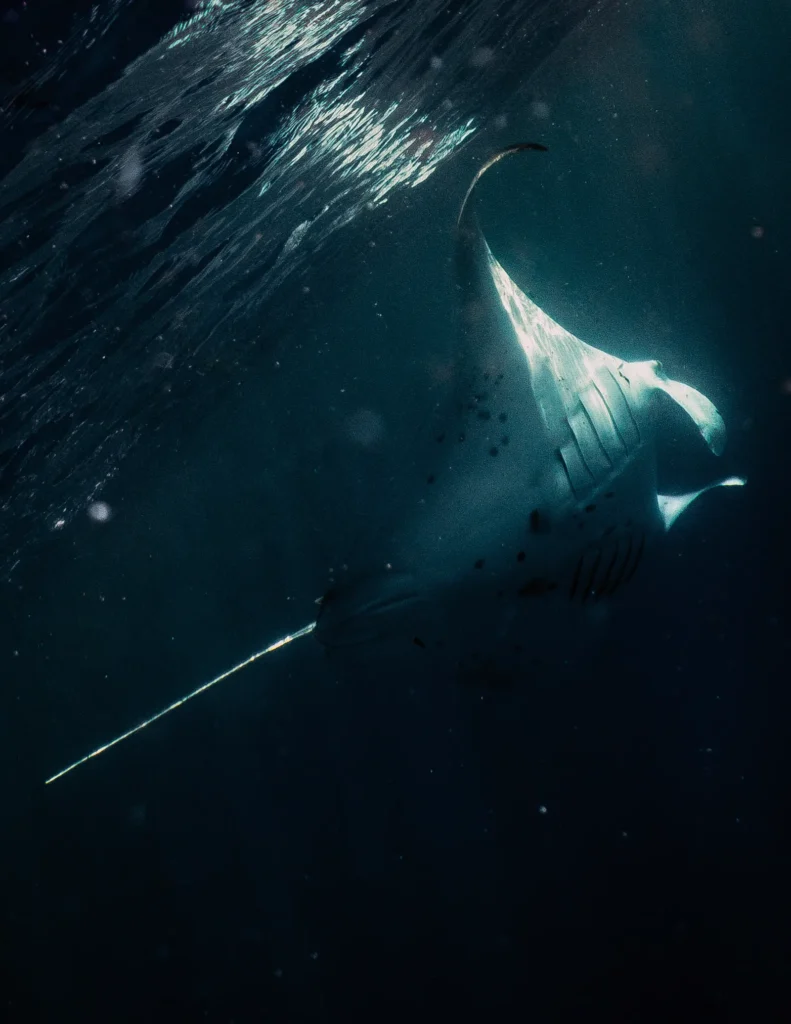
On another morning we head to St. François, a little more than a mile to the south of Alphonse, with a 50-strong convoy of spinner dolphins that leap around us like acrobats. Its lagoon was designated as an Important Shark and Ray Area last year and has been identified as a potential manta ray nursery; if confirmed, it would be the fifth, globally. Giant rays are in drastic decline, partly due to their use in Chinese medicine. In search of them we power past tiny Bijoutier Island, fringed with a wet black necklace of seagrass, and on to the mouth of the lagoon, searching for shadows on the edge of current streams, still patches of water as smooth as polished black marble. When we spot something, we kit up and dive in. Suddenly a female manta with a 13-foot span glides toward us like a winged rib cage, turns, and disappears. Thrilled, we return to the boat and scout for her all afternoon. Finally we glimpse her wing tips and slip back into the water, floating still until we see a squadron of rays flying toward us like a parade of giant kites who dive and circle us as if caught in a sudden cyclone. I catch flashes of them through my mask: soft bellies, strange mouth guards, intelligent eyes. They are examining us too, as if we were the rare creatures, scarcely ever seen.
About this trip
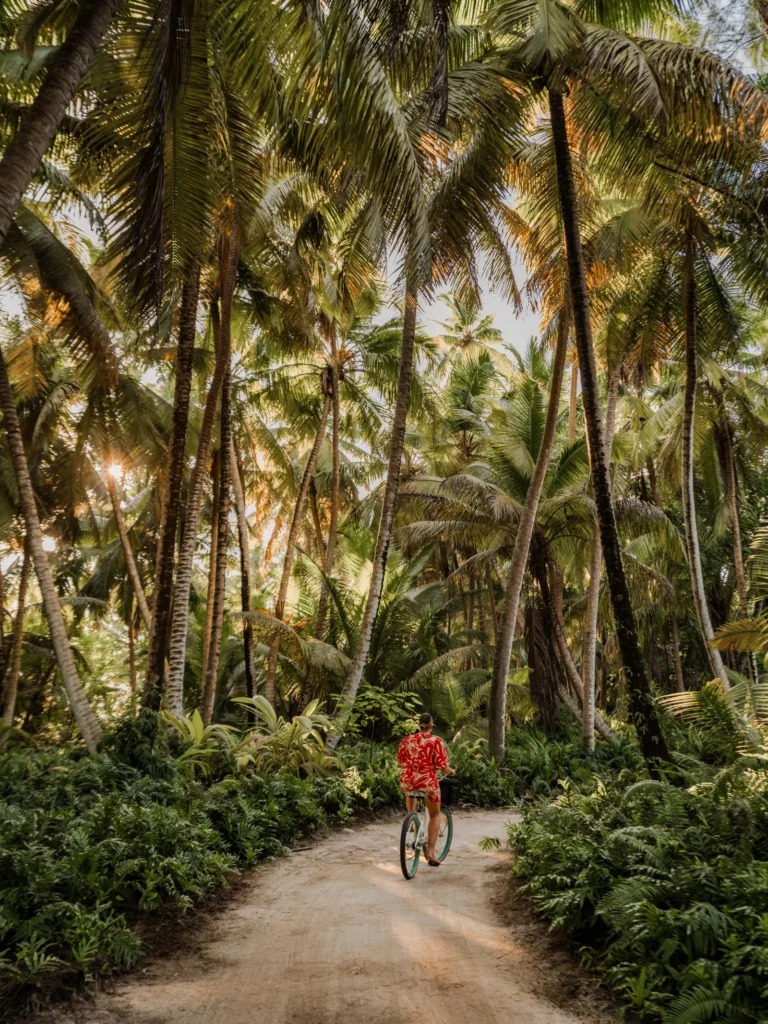
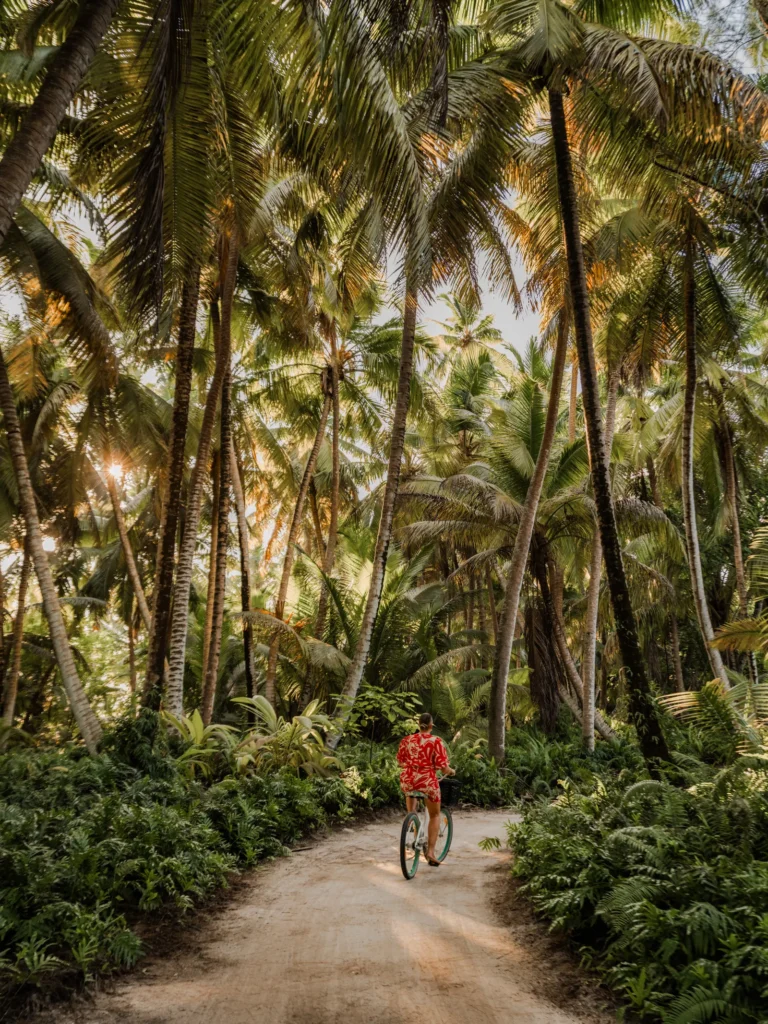
Blue Safari‘s three luxury accommodations and one liveaboard boat offer front-row seats to the natural beauty of the Outer Seychelles. While staying at the 29-key Alphonse Island Lodge (from $4,584 per person for three nights), go snorkeling with manta rays, diving with PADI-certified instructors, and surfing at six breaks of various difficulties. Explore the land via cycling tours and walks through Blue Safari’s expansive farm, which feeds the company’s guests. Try fly-fishing and offshore blue-water fishing for giant trevally and yellowfin tuna at the Cosmoledo Eco Camp (from $1,404 per person; open from November to April), comprising eight shipping containers turned plush bedrooms with private decks and outdoor showers. Astove Coral House (from $1,100 per person; open from November to March), with its six newly refurbished rooms, is an ideal base from which to hike through the atoll’s lagoon, mangroves, and reef flats. The four-cabin catamaran Quo Vadis (from $4,250 per night) is equipped for exploring farther-flung sites like the Amirante Islands and the open ocean, where passengers can free dive, scuba dive, and fish. Blue Safari works with Seychelles’s Island Conservation Society to ensure ethical wildlife activities and fishing practices while offering experiences including bird-watching and giant tortoise viewing and feeding.
Leave a Reply